
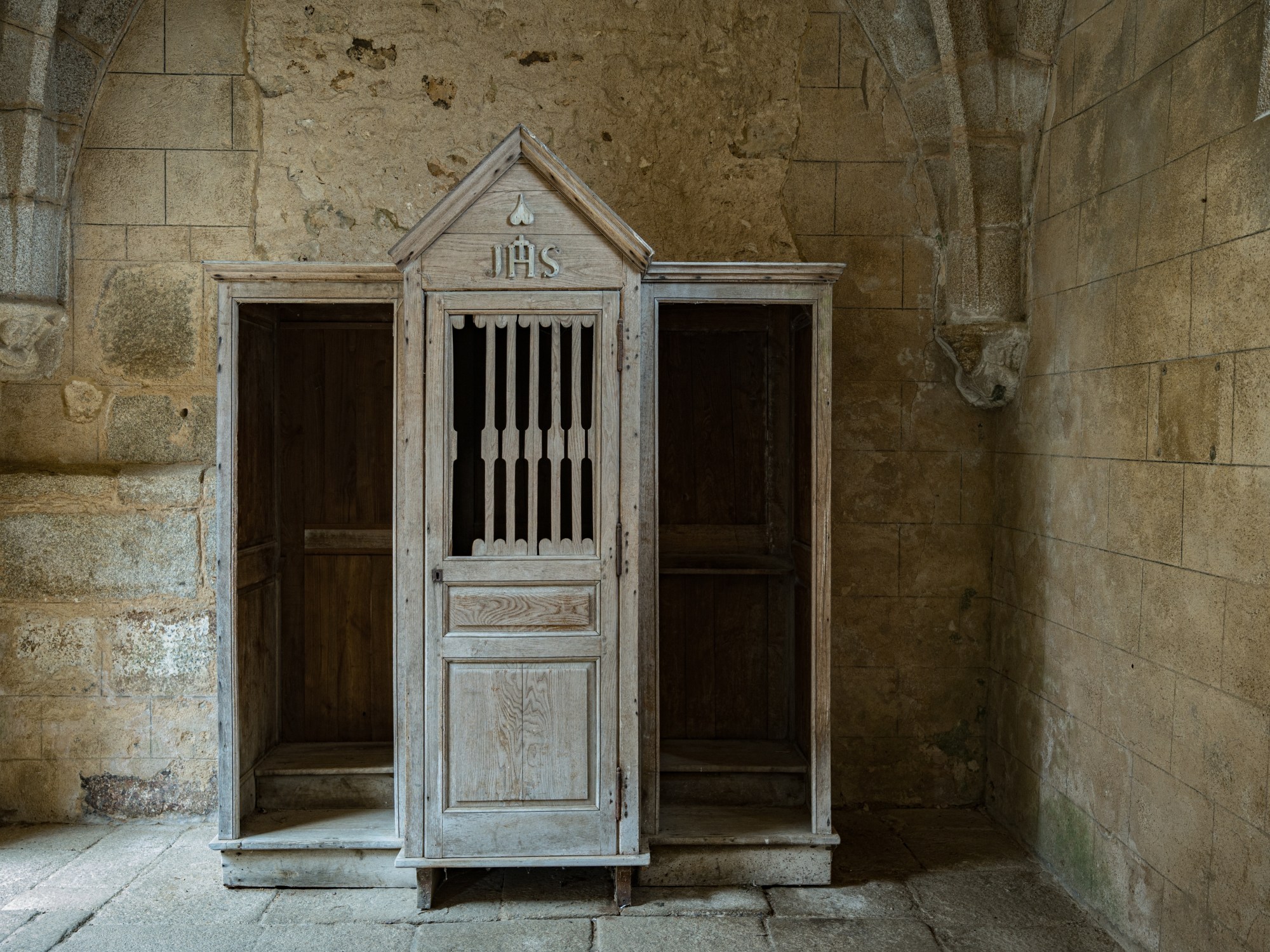
When I served as a pastor in a liturgical church—a community that values the rhythmic repetition of worship elements—I often surprised my colleagues when I told them that my favorite part of the service was leading the confessional sequence. Some preferred the prayers of the people, others the affirmation of faith, the singing of songs, but for me, confession held a unique beauty.
Why? Because it contained, in a nutshell, the very heart of the gospel.
Each week, we come to worship knowing there are things we need to confess—things we’re not proud of, regrets that weigh us down, moments we wish we could undo, hurts we have caused in the lives of the people we love. In the Reformed tradition, confession takes place just before the proclamation of the good news. Why? Because until we lay down our burdens—our sin, our shame, our self-criticism—we aren’t fully open to receiving the truth of God’s love.
Scripture reminds us:
“We all, like sheep, have gone astray, each of us has turned to our own way.” (Isaiah 53:6)
“All have sinned and fall short of the glory of God.” (Romans 3:23)
Not one of us is righteous on our own. And yet, God calls us not to be crushed by our failures but to bring them into the light—to confess, to receive grace, and to be renewed.
The Rhythm of Confession
The traditional liturgical pattern of confession follows this structure:
- Call to Confession
- Communal and Personal Prayer of Confession
- Assurance of Pardon
Call to Confession
“If we claim to be without sin, we deceive ourselves and the truth is not in us. If we confess our sins, He is faithful and just and will forgive our sins and purify us from all unrighteousness.” (1 John 1:8-9)
Some of the most human words I have found in scripture are from Paul when he writes:
“I do not understand what I do. For what I want to do, I do not do, but what I hate, I do… For what I do is not the good I want to do; no, the evil I do not want to do—this I keep on doing.” (Romans 7:15,19)
We are all like sheep who have wandered off, but the Lord calls us to back home to Him. We do this through honest and ruthless confession.
Communal and Personal Prayer of Confession
Having turned towards Him – He invites us to pray; to pause for a moment, and lay before the Lord our shame and our sins.
Heavenly Father, hear my heart as I share with you my shortcomings, my sins, the ways I have hurt others…
Assurance of Pardon
It is at this moment that the gospel has space to enter into our hearts.
“While we were still sinners, Christ died for us.” (Romans 5:8)
Because Christ died in our place, we are forgiven people. We can live without shame over the past, and without anxiety over the future. We are given a new life: “If anyone is in Christ, they are a new creation. The old has gone, the new has come!” (2 Corinthians 5:17)
Instead of judgment, He offers freedom. Instead of shame, He gives grace. Instead of isolation, He calls us home.
Confronting Shame
Confession is not just about naming our sins—it is about confronting our shame. The Devil, our enemy, wants to isolate us in vicious inner dialogue of self-condemnation, regret and shame. But confession is God’s way of drawing us back into His presence, where grace is greater than our guilt.
Amy Low writes, “I’ve learned this takes time. It may take a lot of time. There will be days of momentum followed by days when the crushing memories feel like an entrapment leading to paralysis. I grew to see this aim toward forgiveness more like how a sailboat tacks: a back-and-forth rhythm that, remarkably, results in progress toward the destination.”
Each time we confess, we recalibrate our hearts toward God and step further into the freedom Christ has already secured for us. So today, lay it down. The guilt, the regret, the shame. Confess it, release it, and receive the joy of God’s good news: You are forgiven. You are free. You are deeply loved.
Discover more from Wes Barry
Subscribe to get the latest posts sent to your email.
