
“We are God’s workmanship, created in Christ Jesus to do good works” (Ephesians 2:10)
When we began the college search process with our oldest, I was introduced to a new personality and aptitude assessment called YouScience. As the counselor walked us through her results, I felt a familiar pull to take another test. Here I am, a middle-aged man, still drawn to what an online tool might say about who I am and what I might enjoy.
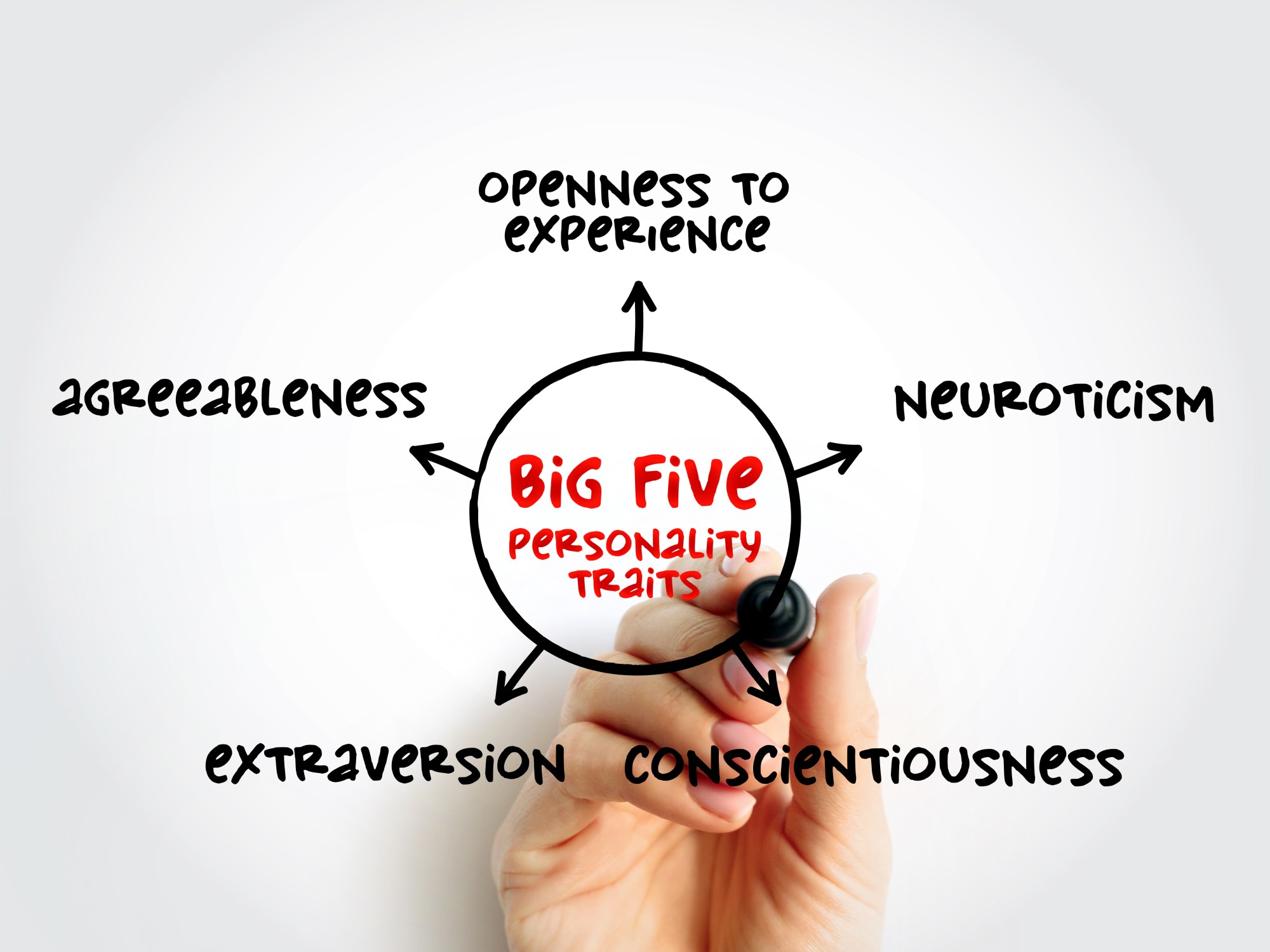
I have taken more of these assessments than I can count: Myers-Briggs (ENFP), DiSC (I-D), Adaptive DiSC, the Big Five, the Enneagram (Type 3, wing 2), APEST spiritual gifts (A-E), StrengthFinders (Belief and Arranger), the Thomas–Kilmann Conflict Mode Instrument (Collaborating), FIRO-B, and even the MMPI. Not only have I taken them—I’ve been trained to administer and interpret many of them. I’ve taken so many of these tests that I can now manipulate most of them to produce the result I want—which, if you know these tools well, tells you something about me already.
I understand our culture’s obsession with these assessments. At a deep level, we are trying to answer the question, Who am I? We are drawn to qualitative and quantitative tools that promise clarity—explanations for why we think, feel, and act the way we do. But as one trainer once said to me, if by age forty-five you still don’t know who you are, the issue isn’t lack of insight—it’s stunted development.
There is another problem with these tools. They don’t just help us understand ourselves; they often become a way to justify ourselves. I have watched people excuse their attitudes, behaviors, motivations, and even their sin with a label: “That’s just because I’m a 8.” At best, these assessments are mirrors, but not our true selves. Letters, numbers, and animal symbols may describe tendencies, but they do not define identity. They are not who we are.
Scripture tells us who we are: “We are God’s workmanship, created in Christ Jesus to do good works” (Ephesians 2:10). Personality may describe how God wants to use us in particular situations, but it never defines who we are.
Rather, God defines us. If we have been united to Christ in baptism, then we are one with the One. Therefore, the words God spoke over His Son are now spoken over us as well: “You are my beloved Son; with you I am well pleased.” (Luke 3:22)
Notice when that voice was spoken—before Jesus healed, preached, suffered, or accomplished anything publicly. God’s pleasure did not come through performance, obedience, or holiness. It flowed from relationship.
The same is true for us. We are daughters and sons. We are His Beloved. And the only thing we are first called to do is this: Be-loved.
Discover more from Wes Barry
Subscribe to get the latest posts sent to your email.
